DRONE PORT:
spring 19'
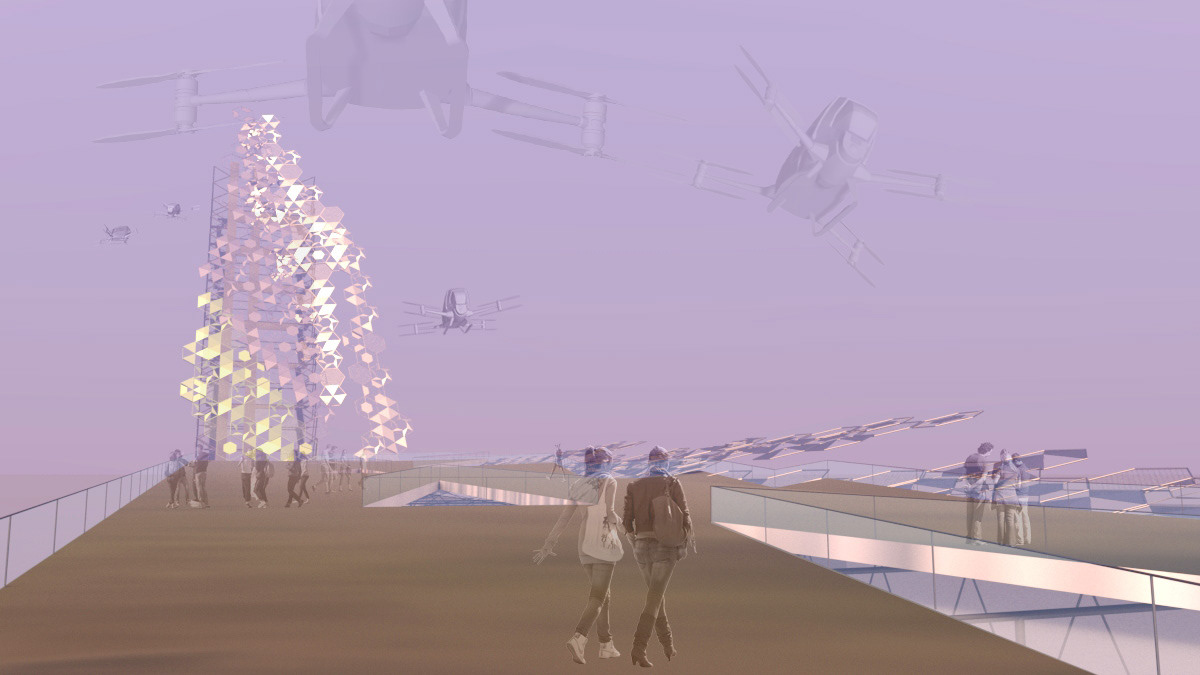
As architects, we are always designing for the future, for possibilities that are barely coming into existence, but could easily overtake our current state of living and could easily become our new way of life. This way of designing extends itself really well in the competition brief of a transportation hub. With movies like Blade Runner, Blade Runner 2049, and Back to the Future: Part 2 exhibiting flying cars or drones being a main type of transportation for the future, as well as the discovery of drones as a way of transportation, the proposed structure peeked into our progressing modes of transportation with easily accessible flying drones. The Drone Terminal was a perfect way of expressing the possibility of what a transportation hub of this kind would look.
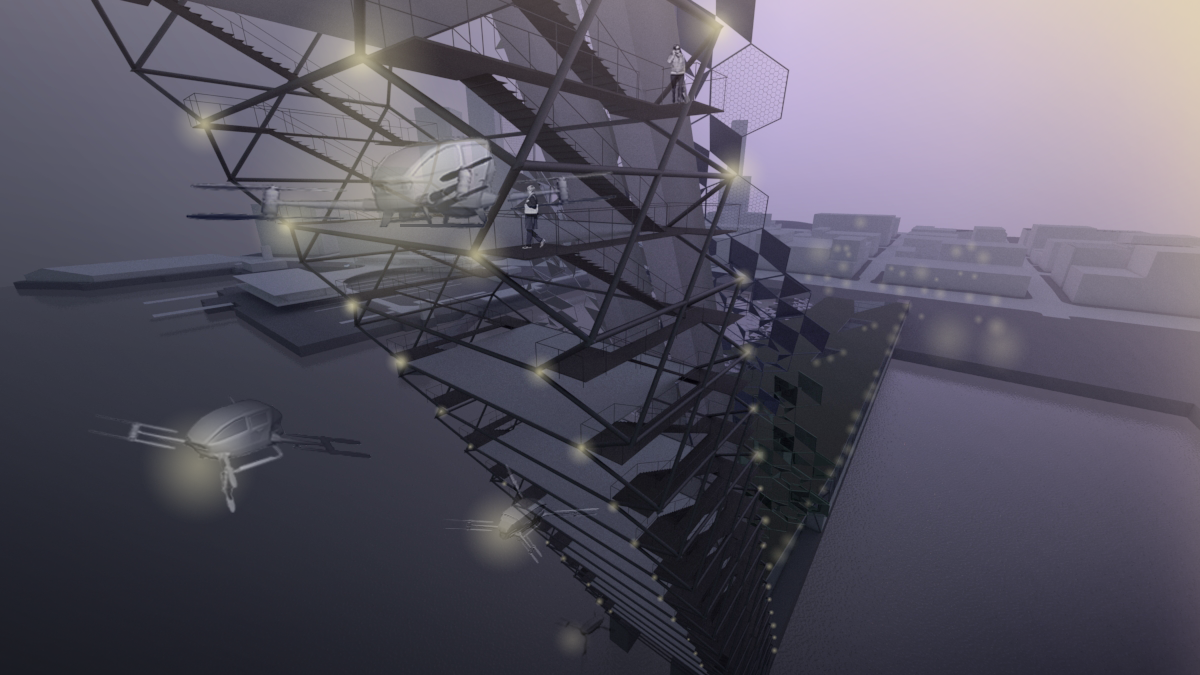
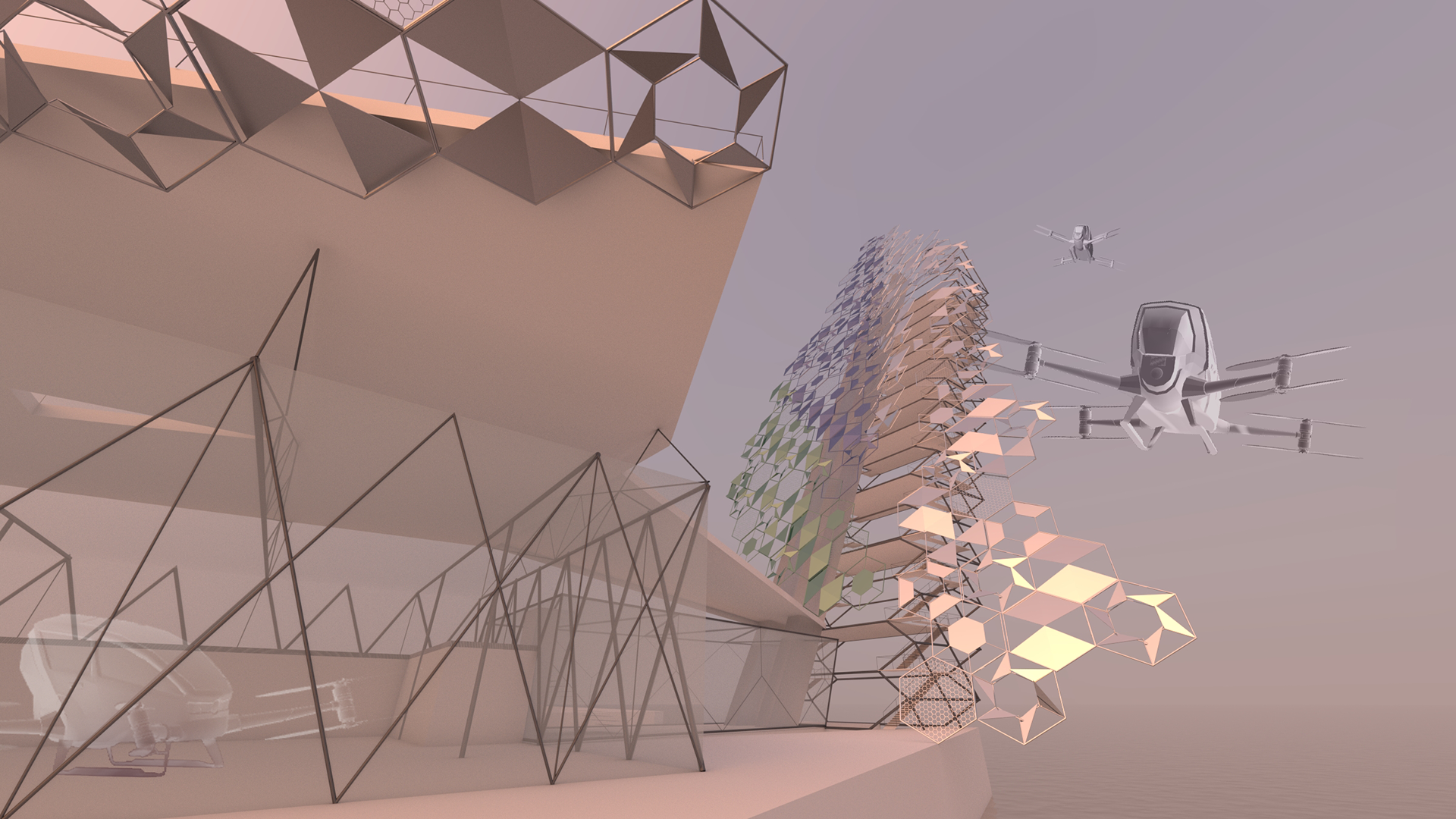
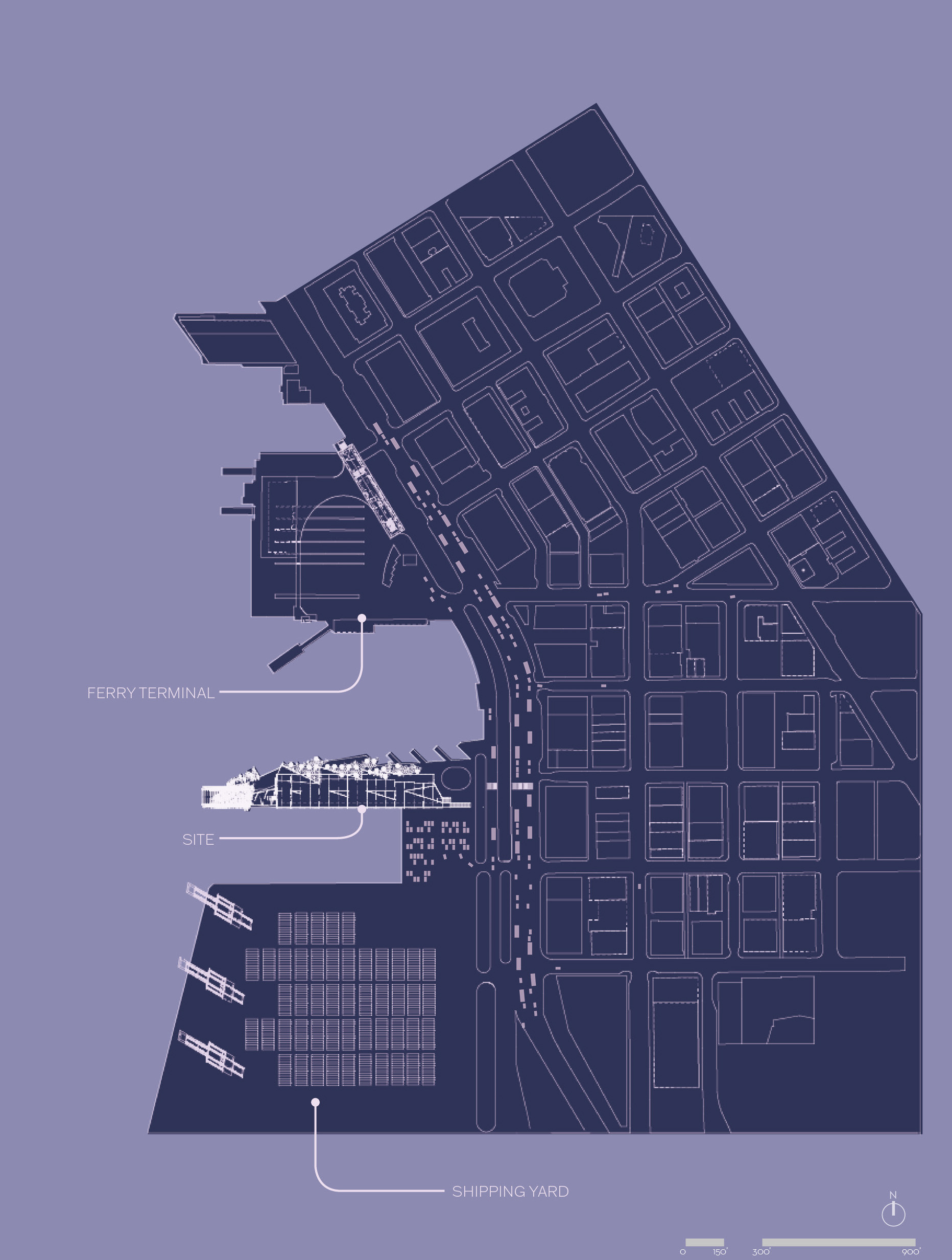
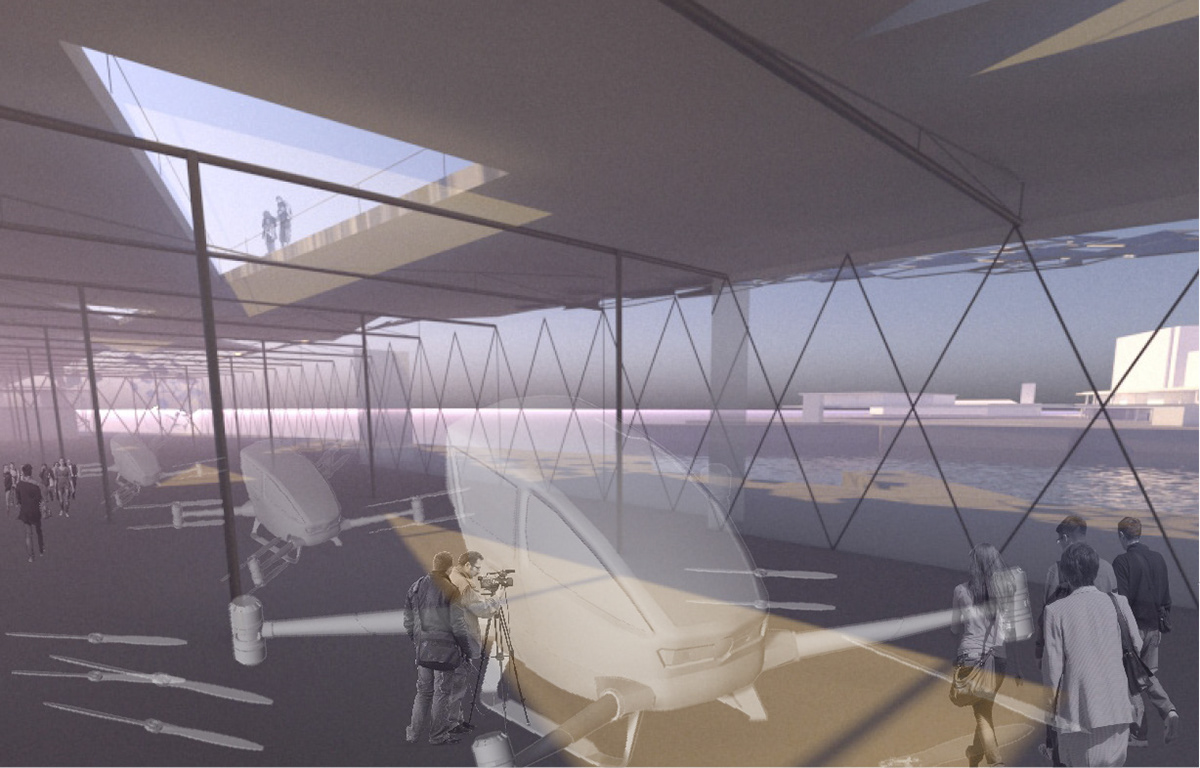
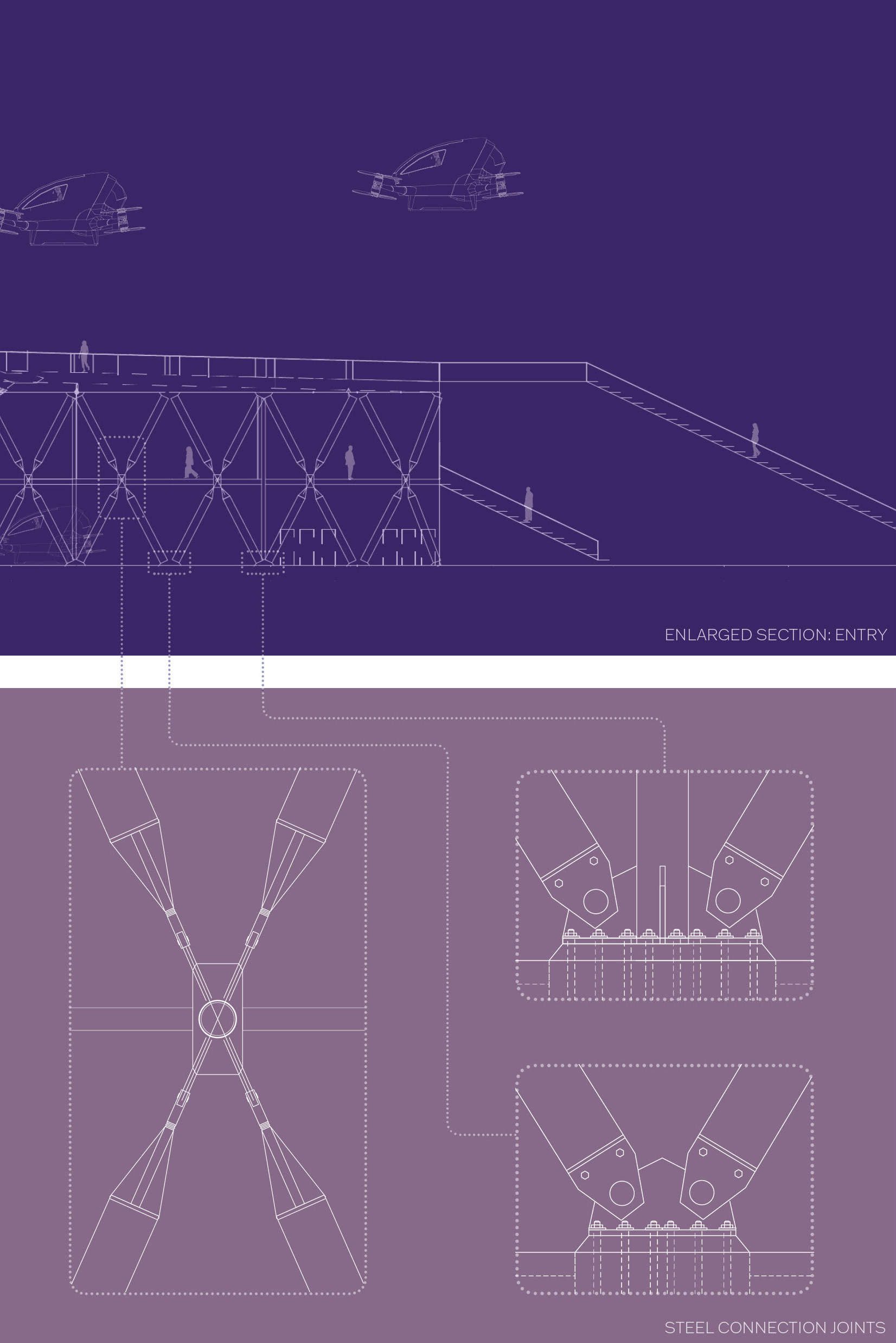
The drone terminal hub would be the first of its kind on an existing pier on the shore of Seattle, situated in between a shipping yard and a ferry terminal. Being a pioneered feat as a drone station, the construction will not only have drop-off and pick-up stations but also contain a drone construction facility. I thought it was important to include this additional facility is to help users acclimate to this new transportation technology. Users can get up close and personal with the machinery and gain a better understanding of the passenger drones that are used to transport them. By doing so it will allow people to get more comfortable with knowing what they were flying in, allowing for a more informed and less stressful experience.
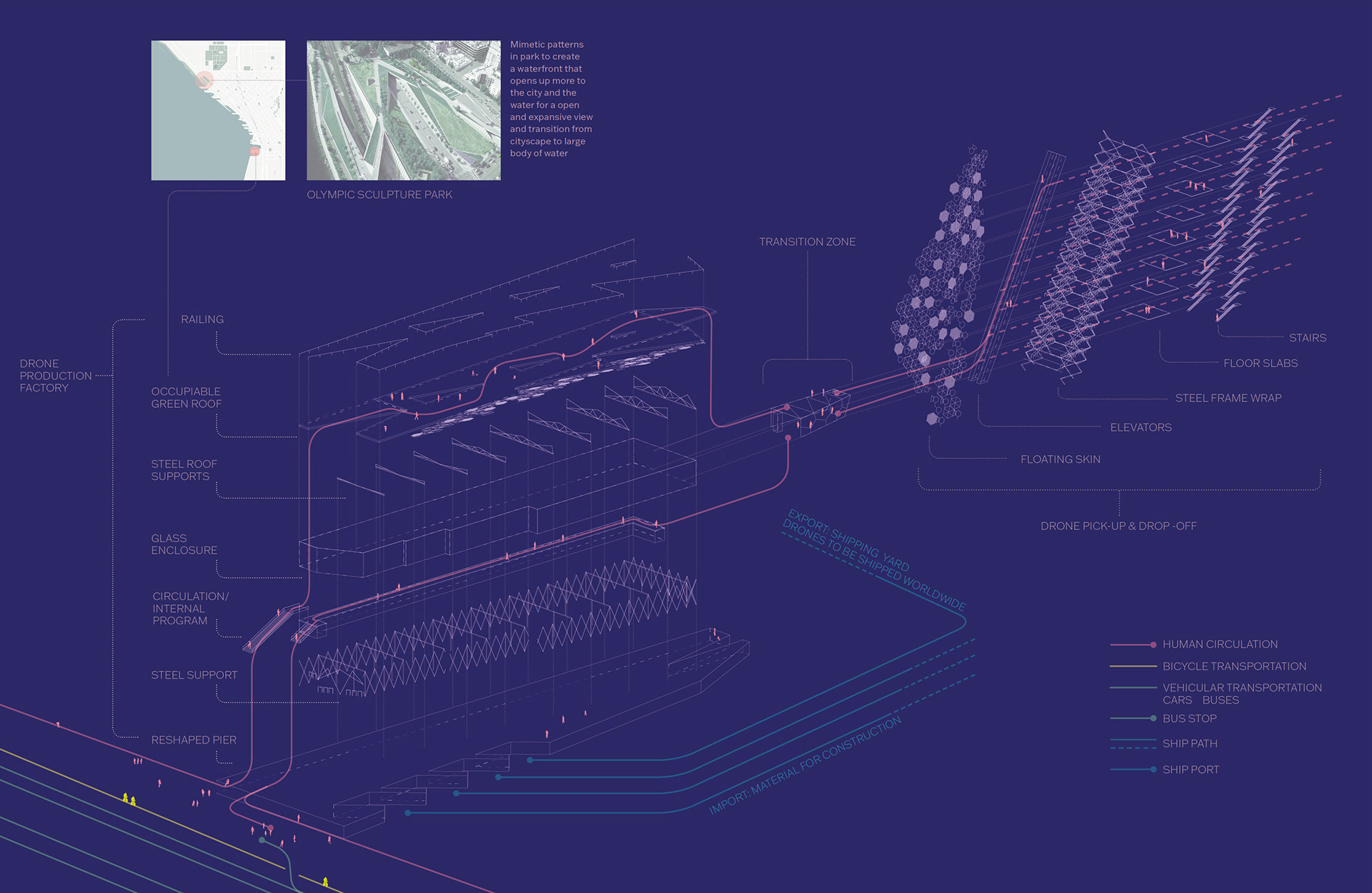
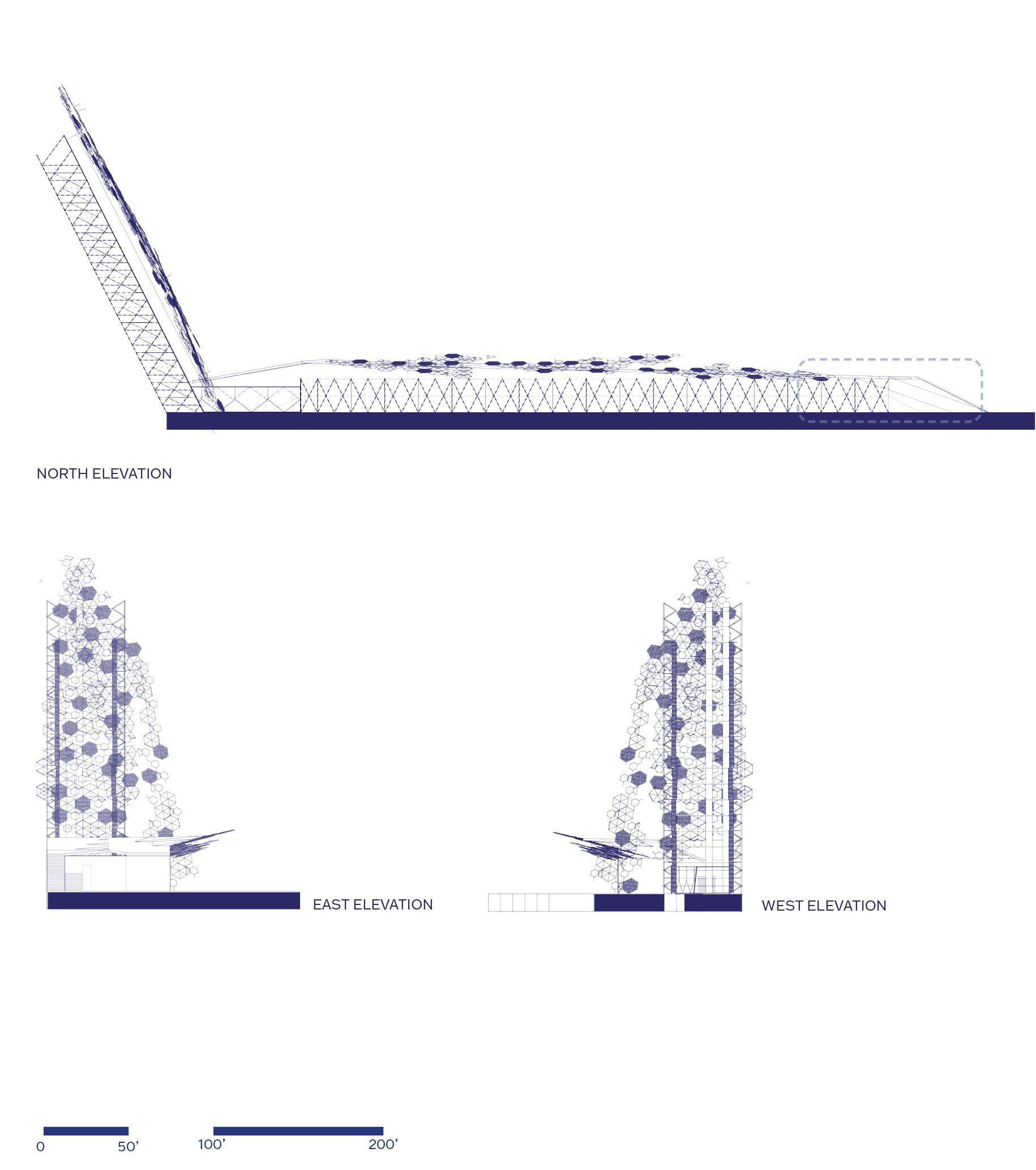
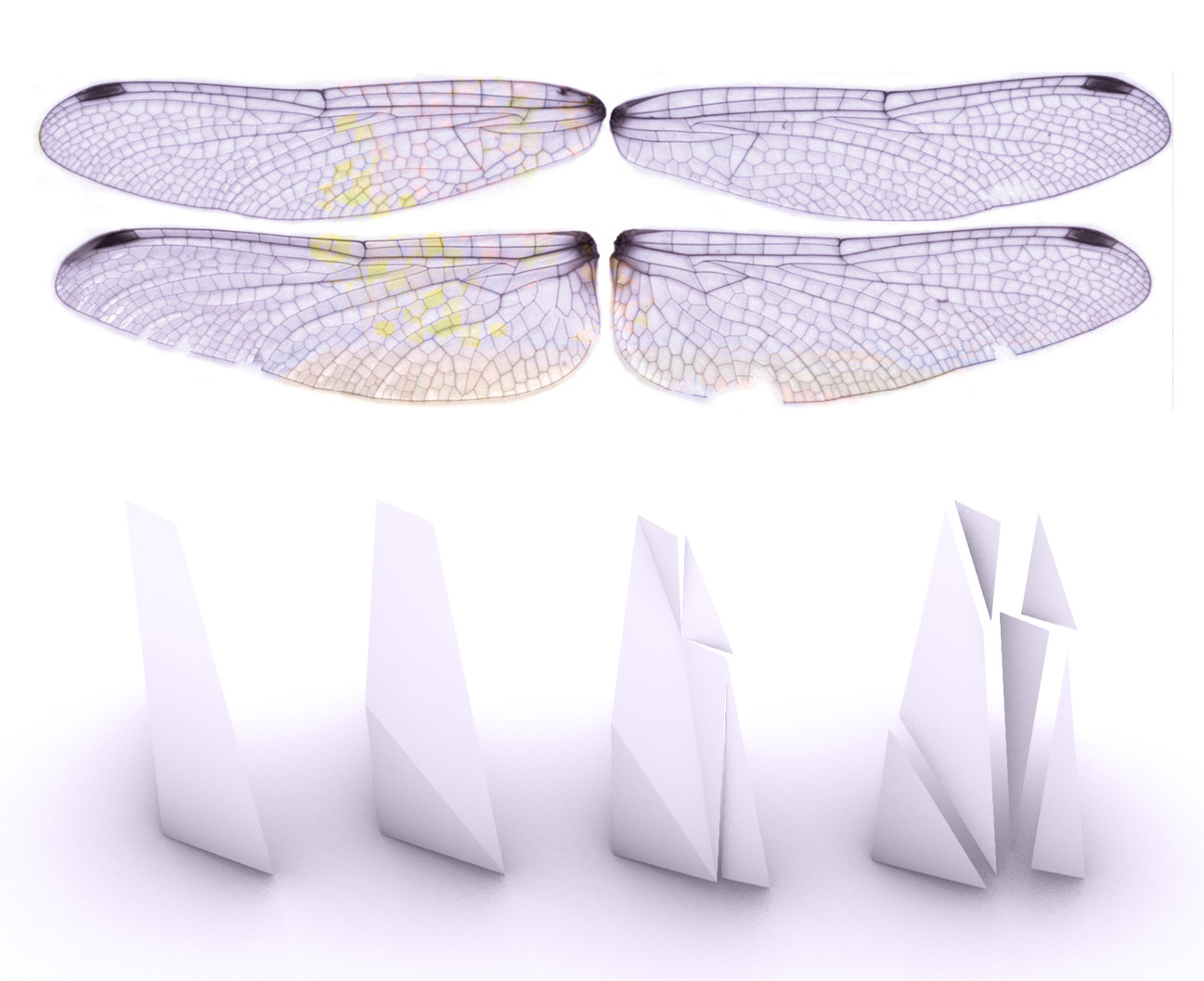
The shape and designs of the terminal is very much inspired by the drone itself and its association with the dragonfly. Much like the dragonfly, a drone is able to navigate itself through the air like an acrobat; it can hover and fly in any direction it so chooses. Dragonfly’s with their long wingspan directed the shape of the building, one wing reaching out into the sky, the other reaching towards the city. It as though the soaring dragonfly was frozen mid-flight, giving an air of movement, elegance, and agility. I had wanted the structure to feel dynamic but still very grounded in the roots of the city, hence the addition of a green roof that echoed the existing park further north, Olympic sculpture park, which opened up the waterfront to the city and created more inviting spaces for people to enjoy.
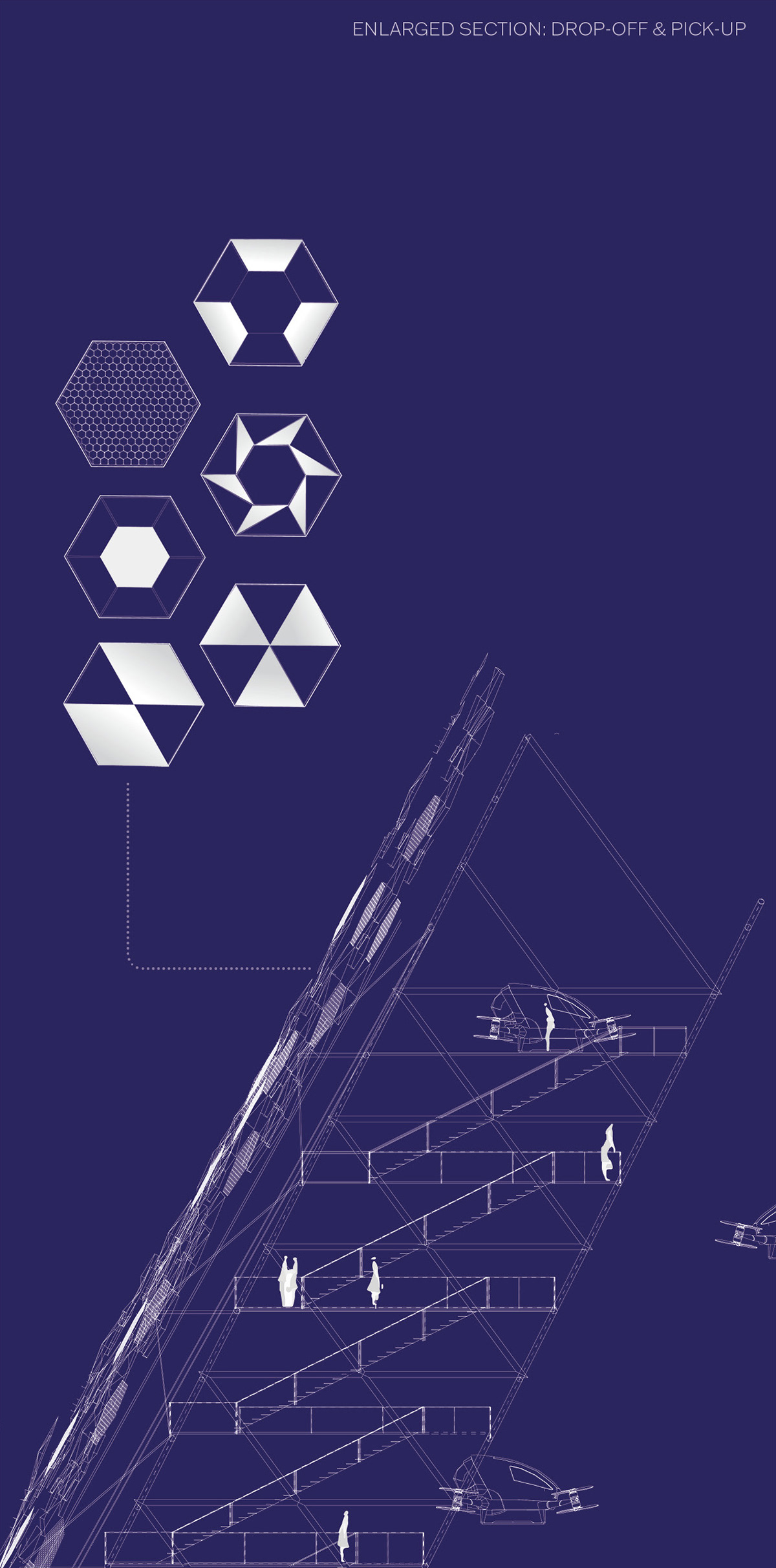
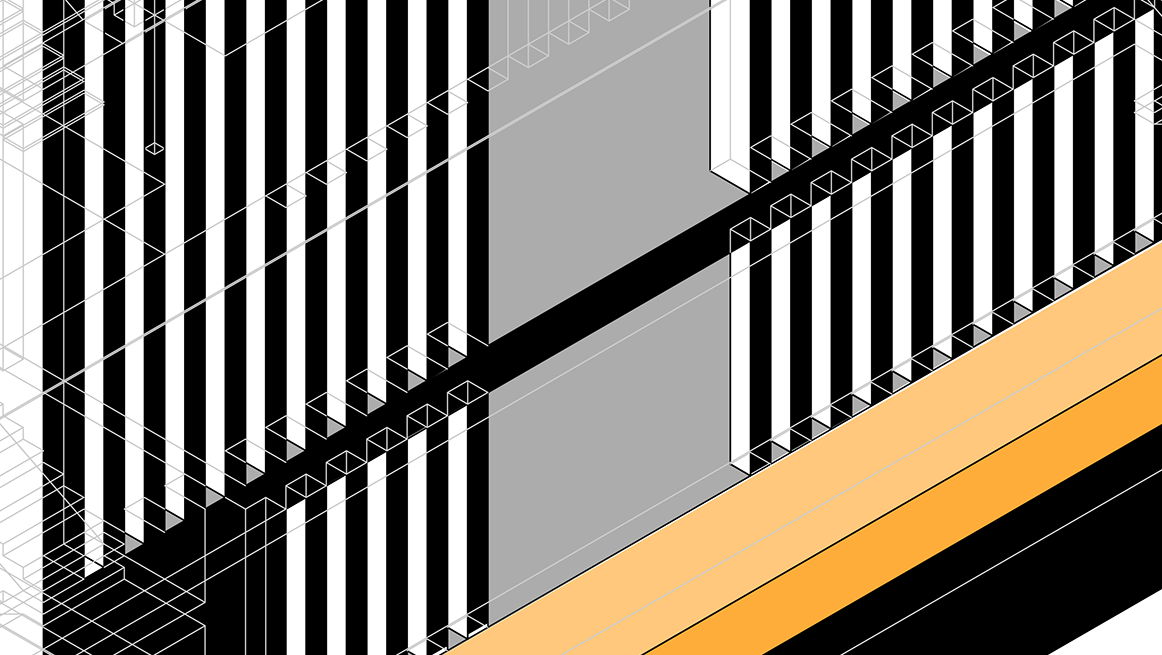
When designing the skin of the tower structure, I had wanted to further increase the idea of the structure be part of a dragonfly wing and wanted to drive home the idea of a glittering facade. I had split the original one-face facade into smaller pieces in order to allow for more faces to reflect. Furthermore, instead of just having these planar pieces, each piece would be comprised of a composition pattern of six individually designed hexagonal variegated pieces to create even more of a glittering effect like that of a wing or reflections off the ocean.